
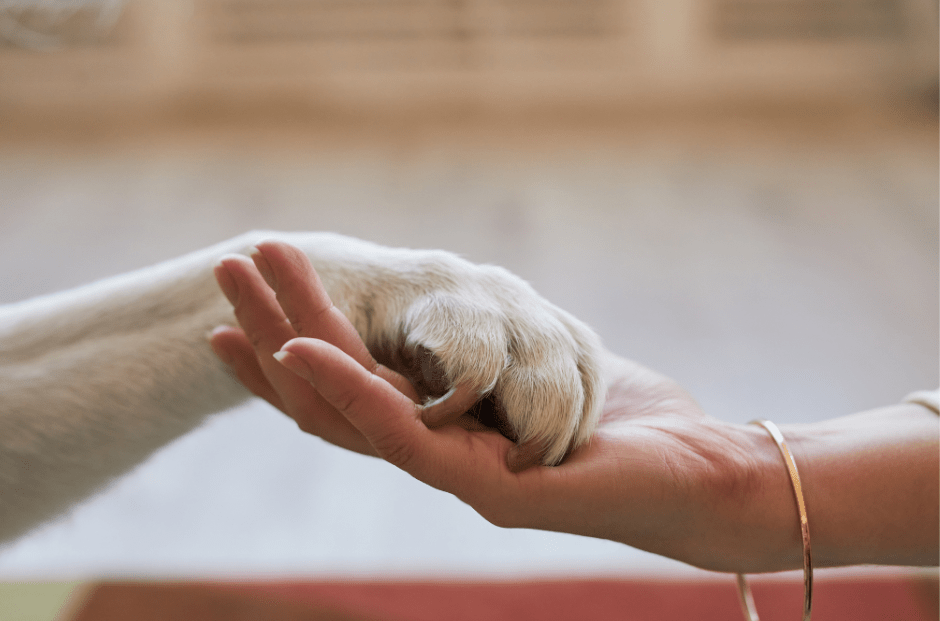
So, I recently lost my dog; I say ‘lost,’ but what I mean is she died rather suddenly. However, part of me feels like she is ‘lost’ and will turn up behind me, demanding to be petted.
Losing a pet and the grief that follows is hard. So here are some words and things that may help.
Now, if you don’t feel instantly sad or have your face running in tears, it doesn’t mean you are doing grief ‘wrong.’ Brains are weird; you may have a delayed reaction and be upset days or weeks later. You may simultaneously feel angry, sad and happy – like a tangled-up ball of yarn. It might even be that you don’t feel any kind of negative emotion. You may find it helps to draw, knit or write as I am doing now to express those feelings, or you may find creativity is impossible under the weight of your loss.
Personally, I’m finding it hard to know when to take breaks from work as I am so used to using the dog’s needs to pace myself. Dogs need a periodic trip outside, their water bowl filled when they gunk it up with doggy drool, or someone to make sure that sudden loud noise wasn’t the dishwasher being pried open – all of which tend to remind me I need to make a drink or go to the bathroom myself! Now my executive function dog is gone, I need to try and remember without her cues.
If you find yourself struggling in ways you wouldn’t usually, be gentle with yourself. If you find criticism from others cuts deeper, or mild frustrations become meltdown inducing or now you’re crying at tennis balls because your pet loved them…it’s because you are in emotional pain, you are grieving a loved one. If you can, ask for time off work. You might feel comfortable explaining to people you are going through a hard time and may be more distant or irritable – most people will understand how much a pet’s death hurts – or you don’t need to share why.
Grieve in the way that works for you.
Don’t worry about what is ‘normal’ or what you feel you are expected to do. If you want to hug your pet’s dead body for a few hours, go for it. If you want to get them taxidermised, then that’s all good too. A pot of ashes? I did that, and I’ll stick it on the table whenever we eat roast chicken because it was her favourite, perhaps I’ll even sprinkle some of the ashes into some horse poop – she’d have wanted that.
It may help to look at photos and videos of your pet to remind you of happy times with them and how much you loved them. This may be too painful at first, but as time passes, it can really help to soothe grief. I have been looking at some of my favourite photos of Vivid the last few days, watching her run on the beach, seeing her in the silly Santa hat we put her in every Christmas, and that one time she sat in my dad’s lap because she was scared of a thunderstorm – her loss hurts, but she was loved so deeply by my family and me – that love is stronger than the pain.
As for how long you’ll feel like this, there’s no real timeline for grieving. I do advise trying not to avoid grief or trying to bottle up your feelings, as this can drag out your pain and just delay it in the long term.
You can call or email various pet bereavement services, such as the Cat’s Protection Paws, to listen on 0800 024 94 94. The Blue Cross has an email and phone service at 0800 096 6606 or plsmail@bluecross.org.uk
I hope this post is helpful if you’ve lost a pet or know your pet’s time is precious, please take care of yourself.
 Autistic Nottingham
A very touching article thank you
LikeLike
I love seeing photos and reminiscing.
My family have always been very sad in remembering family and pets who have passed, and I’ve been trying to change that in the past few years.
I met my partner’s family, and when his family reminisce, it’s funny and joyous, talking about silly occurrences, hijinx and their characters.
Of course I’ll be so sad and hurt for so so long, but at some point, it’s time to celebrate those memories and hijinx.
LikeLike